
Construction Loans What is a construction loan, how progress payments work, and the lending limits to plan for.
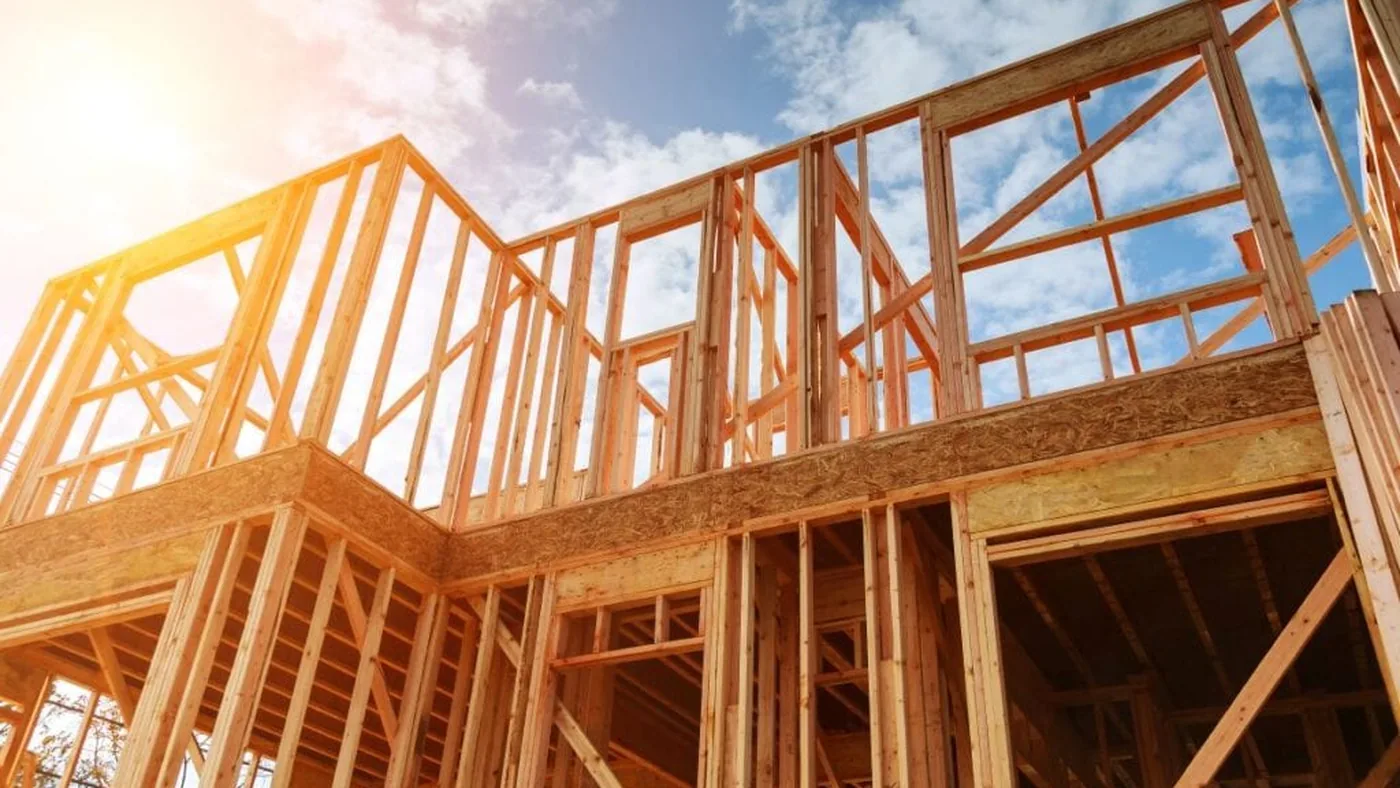
Over the past year we have had many inquiries from people looking to purchase a house & Land package or complete a knockdown-rebuild on their existing home.
Building your own home is an experience like no other. Having the ability to choose exactly what your home will look like, inside, and out, rather than buying a house designed by someone else, means you get to live in your dream home. But there are a few things to consider, pros and cons, which we thought you should know about.
To begin with, you will need to apply for a construction loan which is different to your standard mortgage loan when buying an established home.
What is a construction home loan?
The construction loan is also known as a progressive Drawn-down loan. The loan is progressively drawn down as required to pay for each stage of the construction.
The loan is typically provided on an interest only basis for the first 12 months, allowing you to manage your cash flow more efficiently during the building stages. Once construction is finalised, the loan typically reverts to Principal and Interest repayments.
How do progress payments work?
Typically, there are 5 stages of the construction process which will trigger the progression of the draw down.
- Slab down or base
The initial portion of the loan, which is designed to cover the ground levelling, plumbing and waterproofing of the foundations. - Frame stage
The portion of the loan which is designed for building the frame of the property. This covers the initial brickwork, windows, roofing and trusses. - Lockup
The portion of the loan which is designed to support the construction of external walls, along with putting in place windows and doors, making the property lockable. - Fixing
The portion of the loan which is designed to support payment for the internal fixtures and fittings. This covers plumbing, electricity, installation of cupboards and external gutters. - Completion
The final portion of the loan which is designed for the conclusion of items that form part of the construction contract, putting in place the finishing touches.
For the purpose of calculating the interest applicable on the loan, the repayments are calculated based only on the amount that has been drawn down. For example, if the total approved construction loan is $400,000 but you have only drawn $100,000 to pay for stage 1, your interest is only based on the amount drawn of $100,000. This means you are not forced to pay any interest on funds that have not been used, saving you in interest repayments and supporting your cash flows.
While the rates on construction loans might be slightly higher to begin with, once construction is completed the loan can revert to a standard mortgage loan, enabling you to benefit from lower rates.
Now that you have a simple understanding of construction loans let us talk about some of the issues our clients have faced with their construction purchases and loan applications and how we have helped solve every issue and get our clients to achieve their dream of owning their self-designed home.
Limitations on lending
Determining the amount of borrowing the lender will approve depends on several factors which include the valuation of the property upon completion of the construction stages.
While most lenders will allow you to borrow up to 95% of the property value when applying for a loan on an existing home, construction loans can be limited, and the maximum lending can change from lender to lender.
In current market, most lenders limit that borrowing for construction purposes to 90% which means you need higher savings to support this type of purchase. Some lenders even limit the lending amount to 85% and even 80%.
Greenline Home Loans ensures we are kept up to date with the lending market to ensure we can find our clients the most suitable solutions and when required find them the lender to support the purchase on the 95% LVR basis.
Essential repairs
When signing a construction contract with a building company it is important to understand what is included and what is excluded from the contract. Ideally you would want everything included in the contract, from the house interior including flooring, blinds or the air conditioning unit, and exterior all the way to the driveway, landscaping and fencing in the back.
The valuation report which supports the loan application will include any item excluded from the contract and an amount itemised under “Essential repairs” which the lender will want to ensure you have sufficient funds to cover. Essential repairs can amount to $20,000 or $30,000 at times and this means you will need to hold that amount in addition to your required deposit funds prior to the loan being approved.
At Greenline Home Loans we support our clients and have been able to secure lending for these out of contract items by providing the lender with quotes for these out of contract items and borrow funds to pay external contractors for the work.
Progress payments
Once you have secured the loan and settled on your land you will move into the construction stages. At this stage, the builder will issue invoices against every completed stage of the construction and will request payment. There are several steps that must be followed before payment is made by the lender including an inspection of the construction site by the bank valuer, and provision of supporting documents from the builder. Most builders request payment within 7 days of issuing an invoice, with penalties for late payments, which can put a lot of stress on the clients to ensure all requirements are met in a timely manner.
At Greenline Home Loans we take the stress away from our clients and support them throughout the entire process by managing all construction stage progress payments and liaising with the builders, lenders, and valuation firms to ensure a timely turn around time for each payment request. This takes the stress away from our clients and can save them potential penalties.
If you are considering building your dream home and need to discuss your finance requirements, talk to our team of experienced brokers at Greenline Home Loans. We will tailor the best solution for your needs and walk with you hand in hand from the first day you consider the house design and until you get the keys and move in.
Construction loan FAQs
What is a construction loan?
A loan for building a home that is drawn down progressively to pay for each stage of construction, rather than paid out in one sum like a loan on an established home. It is also called a progressive drawdown loan. For the product itself, see our construction loans page.
What is a progress payment?
A payment the lender makes to your builder when a stage of the build is completed and invoiced. Each payment is a further drawdown of the loan, so you pay interest only on what has been drawn so far.
What are the stages of a construction loan?
Typically five: slab or base (ground levelling, plumbing and waterproofing of the foundations), frame (the frame, initial brickwork, windows, roofing and trusses), lockup (external walls, windows and doors, so the property can be locked), fixing (internal fixtures and fittings, plumbing, electricity, cupboards, gutters) and completion (the finishing touches in the contract).
How is interest calculated on a construction loan?
On the amount drawn down, not the total approved. If the approved loan is $400,000 but only $100,000 has been drawn to pay for stage one, interest is charged on $100,000. That supports cash flow during the build.
How much deposit do you need for a construction loan?
More than for an established home, generally. When this article was written, most lenders limited construction lending to 90% of the property value, some to 85% or 80%, against up to 95% on an existing home. Lending limits change and differ between lenders, so ask us for current policy before you plan a budget.
What are 'essential repairs' on a construction valuation?
Items excluded from the building contract, such as flooring, blinds, air conditioning, the driveway, landscaping or fencing, which the valuer itemises as essential repairs. The lender wants to see funds to cover them on top of your deposit. Greenline has arranged lending for these out-of-contract items by providing the lender with quotes.
How do progress payments work with the builder?
The builder invoices each completed stage, usually requesting payment within 7 days with penalties for late payment. Before the lender pays, the site is inspected by the bank's valuer and the builder supplies supporting documents. Greenline manages the progress payment requests and liaises with the builder, lender and valuation firm so each payment is made on time.
Does a construction loan become a normal home loan?
Usually. The loan is typically interest-only for the first 12 months while you build and reverts to principal and interest repayments once construction is finalised, so it can run like a standard mortgage from then on.
Where to next
More from the blog
 11 Sep 2023 · 4 min read
Essential Tips for Preparing Your Finances and Documentation for a Smooth Loan Application Process
Applying for a loan can be a significant milestone in your financial journey, whether you’re seeking a home loan, business loan, or any other type of…
Read article 25 Jan 2023 · 6 min read
Navigating The Home Loan Market For The Best Home Loans in 2023
Are you a first home buyer or looking to buy a home as an investment property? You may be wondering how to choose the best home loans in 2023…
Read article 21 Dec 2022 · 5 min read
What Does the 8th Consecutive Interest Rate Increase Mean When Securing The Best Home Loans?
Following the RBA’s final monthly meeting for 2022, a further 25 basis point increase in the national cash rate was announced. A further blow to…
Read articleWant to know how this applies to you?
Articles are general information. A Greenline broker can look at your own situation and compare options from 50+ lenders, with no obligation.
This article was published on 23 June 2022 and describes the lending environment at that time. Rates, grants and lender policies change.